Authored by Karissa Scott, NC State Extension Summer Intern and Graduate Student at NC State University
The Signs of Heat Stress in Poultry and Small Ruminant Animals – Tips for Keeping Your Animals Cool
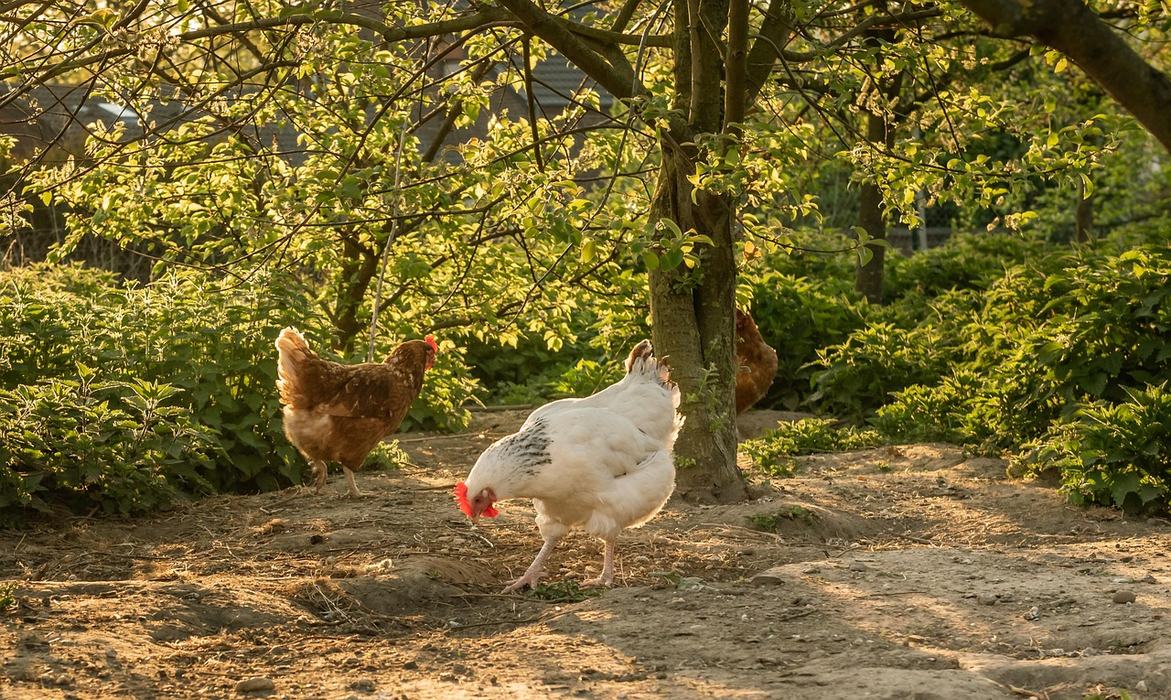
Summertime can be challenging for livestock and poultry, particularly in North Carolina. Unpredictable weather factors such as extreme temperatures, humidity, pests, sporadic thunderstorms, and flash flooding can impact an animal’s overall health. An example of these stressors is Tropical Storm Chantal, which recently occurred in Orange County. One main issue many farmers and animal owners struggle with is heat stress. With the high humidity we have here in Central NC, temperature regulation is difficult for us humans. Now, imagine you have feathers, fur, or wool during these extreme heat days. In this article, I will go over the signs of heat stress in poultry and small ruminants, such as goats and sheep, and some solutions to keep them cool and free from distress.
What is Heat Stress?
Heat Stress is a condition caused by overexposure or overexertion in extreme heat temperatures, and leads to the inability to release heat in the body, which can cause heat exhaustion and heat stroke (Gupta et.al, 2025). Heat stress can impact flock immunity, feed intake, egg production, body weight, and meat and egg quality in chickens (Watsi et.al. 2020). In goats and sheep, heat stress impacts milk production, immunity, feed intake, water metabolism, utter health, and reproduction rates (Sevi & Caroprese, 2012)(Sejian et.al., 2021). Heat stress can occur in your poultry and small ruminants in temperatures as low as 78-80℉, depending on the humidity levels. It is important to monitor the health of your flock or herd as prolonged heat stress can impact the meat, milk, and egg quality of these animals, which could potentially impact you financially.Symptoms of Heat Stress
The symptoms of heat stress can look different across different species of animals. Some animals, like goats, are more tolerant of heat stress because of their small body size, heat regulation, and ability to digest low-quality feed (Seijan et.al., 2021). It is important to know the signs of heat stress in your flock or herd.Symptoms of heat stress in chickens include:- Open-mouth panting.
- Less time walking and standing.
- Consuming less feed than usual and drinking more water.
- Spreading and lifting their wings off their body.
- Covering their bodies in dirt, litter, and dust.
- Open-mouth panting.
- Increased breathing rate.
- Increased rectal temperature (above 103℉).
- Decreased feed intake.
- Open-mouth panting.
- Decreased feed intake.
- Changes in energy levels.
- Drooling
Tips for Heat Stress Management
When looking at how you can best tend to your animals during these long summer months, some essential items to consider are their shelter/shade, diet, and ventilation. For chicken and poultry management, you can address heat stress by restricting their feed during the hottest parts of the day to reduce the metabolic rate of your birds. This method should decrease their rectal temperature, minimize mortality, and decrease abdominal fat. Another adjustment to your chicken’s feed you could make is to wet your chickens' feed with water to stimulate feed digestion and improve their absorption of nutrients. However, with this method, you have to be careful of fungal growth in the feed (Watsi et.al., 2020). It is always important to have adequate shade and fresh, cold water for your chickens during this time of the year. For extra heat relief, consider adding a fan to your coop or providing frozen fruits and vegetables as a cool treat!For our small ruminant animals, heat stress management may include providing shade to pastures or paddocks in the form of trees, shelters, or shade cloths. Ventilation is also an important factor when mitigating heat stress (Seijan et.al., 2021). To balance reduced food intake and increased energy demand, try providing them with a high-energy feed and diet. Also, adding supplements like flaxseed to your animals’ feed can improve their immune function and gut health (Sevi & Caroprese, 2012). However, it is important to be in contact with your vet before making changes and adding supplements to your animal's feed.
To summarize, if you notice any rapid breathing, panting, or if your livestock seem uninterested in their feed. Try utilizing some of these tips to alleviate them from the summer heat. Our animals and livestock help provide for us; let’s do our part to provide for them with a cool spot to retreat to! If you have any questions or concerns about your flock or herd, please reach out to your local Extension agency.
---
References:
Brown, D. (2024). Managing Heat Stress in Sheep and Goats. MU Extension.
Gupta, M., Vaidya, M., Kumar, S. et al. Heat stress: a major threat to ruminant reproduction and mitigating strategies. Int J Biometeorol 69, 209–224 (2025).
Sejian, V., Silpa, M. V., Reshma Nair, et al. (2021). Heat Stress and Goat Welfare: Adaptation and Production Considerations. Animals, 11(4), 1021.
Sevi, A., & Caroprese, M. (2012). Impact of heat stress on milk production, immunity, and udder health in sheep: A critical review. Small Ruminant Research, 107(1), 1-7.
Wasti, S., Sah, N., & Mishra, B. (2020). Impact of Heat Stress on Poultry Health and Performance, and Potential Mitigation Strategies. Animals, 10(8), 1266.
Join our mailing list!
Enter your email address to receive updates.
Written By